Is Online IPAC Training Accepted by Canadian Employers in 2026?

The demand for infection prevention and control training has grown steadily across Canadian healthcare. For nurses, personal support workers, and many other professionals, online IPAC training offers a flexible way to gain essential knowledge. But a common question remains: does an online certificate carry the same weight with Canadian employers as in-person training? The short […]
WHMIS Training for New Hires: What Canadian Workers Need to Know
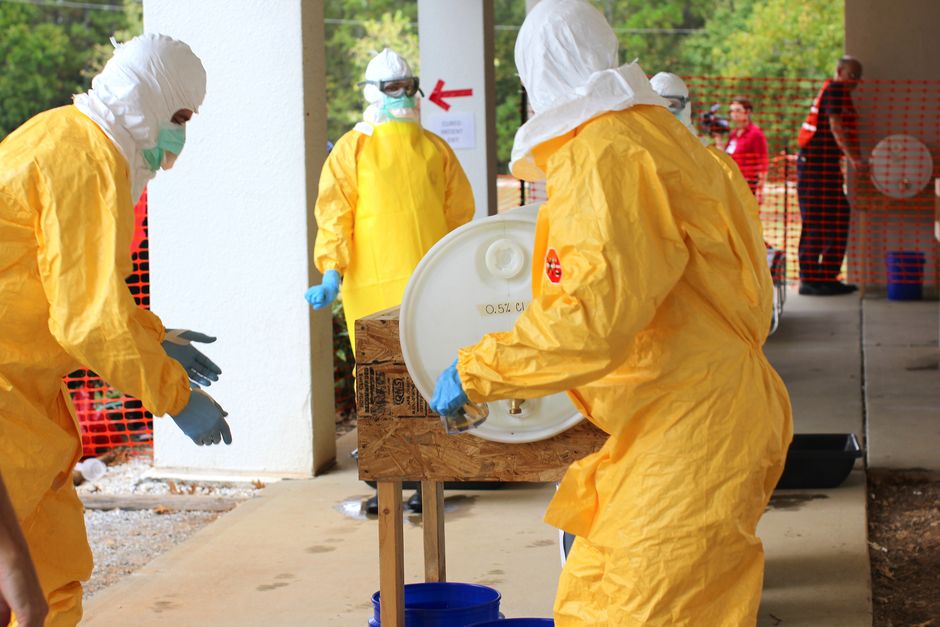
Starting a new job in Canada often means encountering unfamiliar substances and materials. If your role involves handling or being near hazardous products, understanding the Workplace Hazardous Materials Information System is essential. Canadian law requires employers to provide WHMIS training to every worker who works with or may be exposed to hazardous substances. This article […]
Employer Required WHMIS Training Before First Shift in Canada: What You Need to Know
Starting a new job can be an exciting but busy time. Between filling out paperwork and meeting new colleagues, you may wonder if your employer can ask you to complete safety training like WHMIS before you clock in for your first shift. In Canada, the answer is clear: yes, your employer can require WHMIS training […]
Needlestick Injury Prevention for Canadian Healthcare Workers
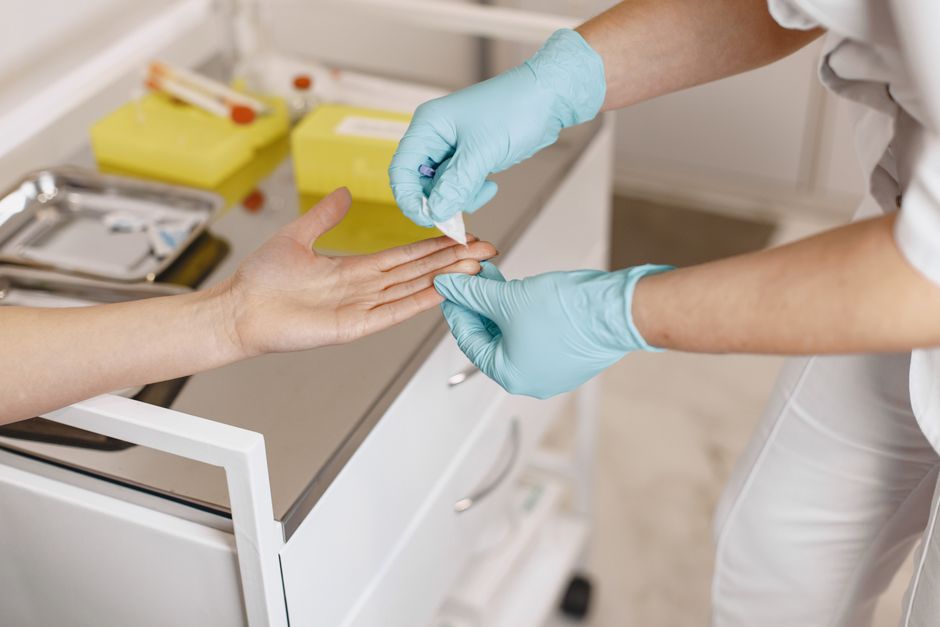
Needlestick and sharps injuries remain a major concern in Canadian health care. Across the country, an estimated 70,000 needlestick and sharps injuries occur every year, with around 33,000 of those incidents happening in Ontario alone. These injuries are the most common preventable cause of occupational exposures to blood and body fluids among healthcare workers, and […]
Fire Safety Training for Healthcare Facilities in Canada
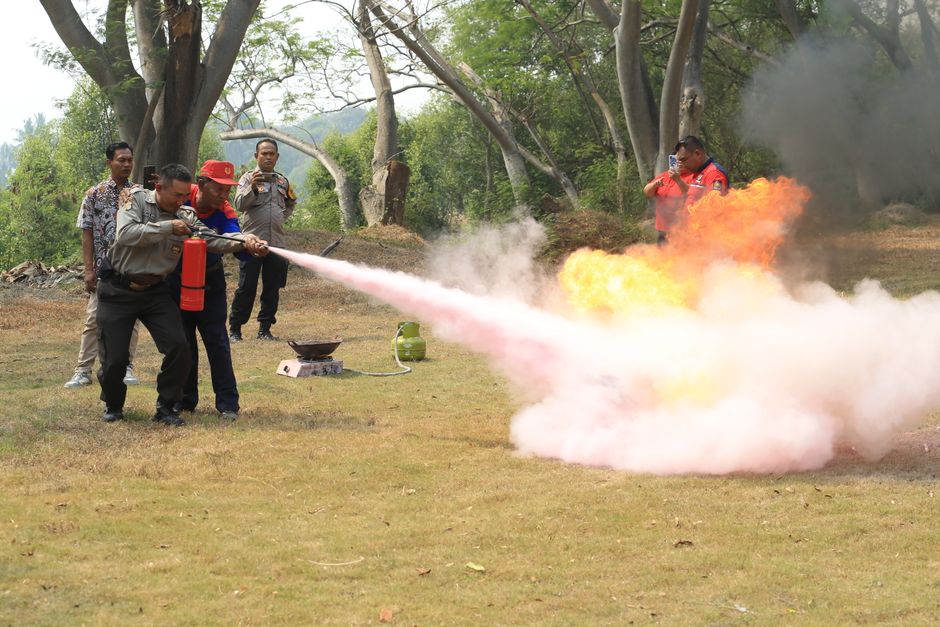
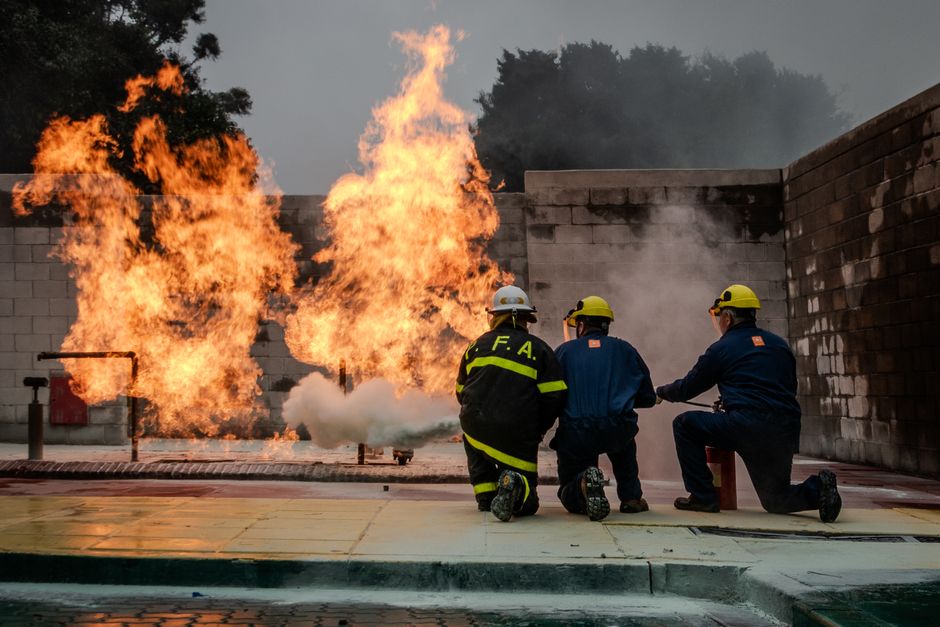
Fire safety training is a critical component of workplace preparedness in healthcare settings across Canada. Hospitals, clinics, long-term care homes, and other health facilities face unique challenges when it comes to fire prevention and response. Staff must be ready to protect themselves and the patients in their care. Several Canadian training providers offer courses designed […]
WHMIS Labels in Healthcare: A Guide for Canadian Nurses

The Role of WHMIS Labels in Healthcare In Canadian healthcare workplaces, nurses handle a wide range of hazardous products daily. WHMIS legislation requires that any product meeting the criteria to be classified as hazardous must be properly labelled. These labels are the first line of defence, providing critical information about the chemical, its hazards, and […]
WHMIS for Healthcare Canada: 2026 Training Guide for Workers

Healthcare workers encounter a wide range of hazardous products every day, from disinfectants and sterilants to pharmaceutical agents and laboratory chemicals. The Workplace Hazardous Materials Information System (WHMIS) is Canada’s national hazard communication standard, and it applies directly to healthcare settings. Understanding WHMIS is not optional for healthcare professionals; it is a regulatory requirement that […]
TDG Certification Renewal Canada: Validity, Process and Compliance for 2026

If you handle, offer for transport, or transport dangerous goods in Canada, keeping your Transportation of Dangerous Goods (TDG) training certificate up to date is not optional. Transport Canada requires that anyone performing these duties be adequately trained and hold a valid training certificate. A lapsed certificate can stop operations and put your compliance at […]
Infection Control Certificate vs IPAC Certification Canada: Key Differences

If you work or plan to work in infection prevention and control in Canada, you will encounter two credentials: an infection control certificate and IPAC certification. Although the terms are sometimes used interchangeably, they refer to different achievements. An infection control certificate is a completion credential from a course, while IPAC certification most often refers […]
Prepare for IPAC in a Canadian Healthcare Setting | Register Now
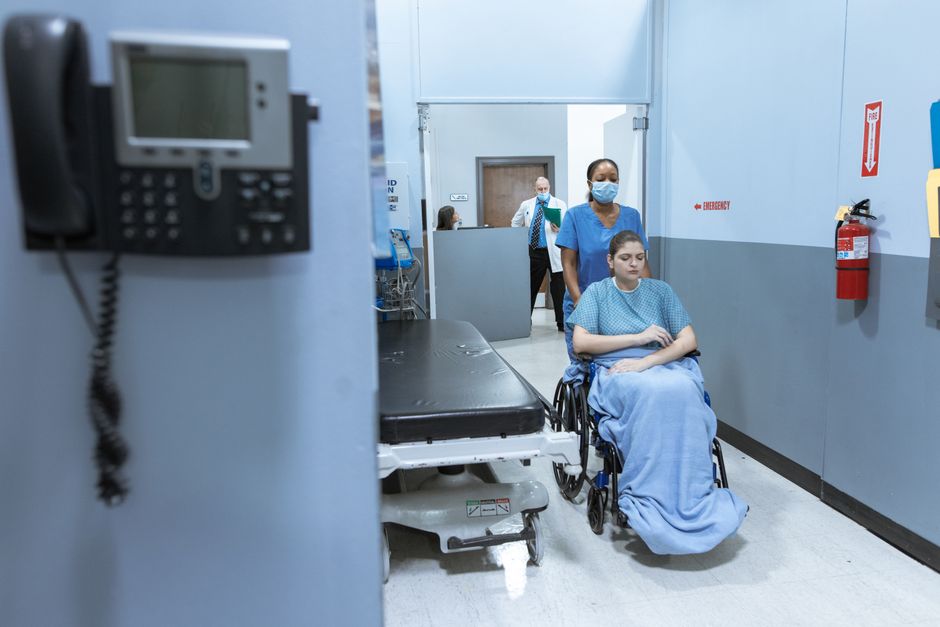
Home› Online Courses› How to Prepare for an IPAC Audit Healthcare Compliance · IPAC Guide How to Prepare for an IPAC Audit in a Canadian Healthcare Setting A practical, step-by-step guide to getting your infection prevention and control program audit-ready from choosing the right tools to running a pre-audit self-assessment and training your team. 🏥 […]