Needlestick and sharps injuries remain a major concern in Canadian health care. Across the country, an estimated 70,000 needlestick and sharps injuries occur every year, with around 33,000 of those incidents happening in Ontario alone. These injuries are the most common preventable cause of occupational exposures to blood and body fluids among healthcare workers, and they carry the potential to transmit bloodborne pathogens. For Canadian healthcare workers, understanding how to prevent these injuries and what to do if one occurs is essential for workplace safety and personal health.
Understanding Needlestick Injuries in Canada
A needlestick injury is a wound caused by a needle that unintentionally punctures the skin. Sharps injuries include cuts or punctures from other medical sharp devices, such as scalpels or broken glass. In healthcare settings, these injuries expose workers to blood and body fluids that may contain hepatitis B virus (HBV), hepatitis C virus (HCV), human immunodeficiency virus (HIV), and other pathogens. According to the Canadian Centre for Occupational Health and Safety (CCOHS), needlestick injuries are wounds caused by needles that unintentionally puncture the skin. Because these incidents are largely preventable, ongoing focus on prevention and safety protocols is critical for all healthcare workers in Canada.
How to Prevent Needlestick Injuries
Prevention starts with eliminating contact with sharps wherever possible. The rule is straightforward: the person who uses a sharp must also dispose of it. Several key practices are recommended by Canadian health and safety authorities.
Avoid Recapping Needles
Needles should not be recapped after use unless there is a specific legal requirement to do so. Recapping is a common cause of needlestick injuries, as the hand holding the cap is at risk of being pierced. If recapping is absolutely necessary, a one-handed scoop technique or a mechanical recapping device should be used.
Use Safety-Engineered Sharps
Safety-engineered devices are designed with built-in features, such as retractable needles or protective shields, that reduce the risk of injury. It is important to note that, at the present time, the use of safety-engineered devices to prevent needlestick injury is not mandatory across Canada. However, many provinces have introduced legislation requiring their use in certain settings, and healthcare workers are encouraged to adopt them as part of a comprehensive prevention strategy.
Proper Sharps Disposal
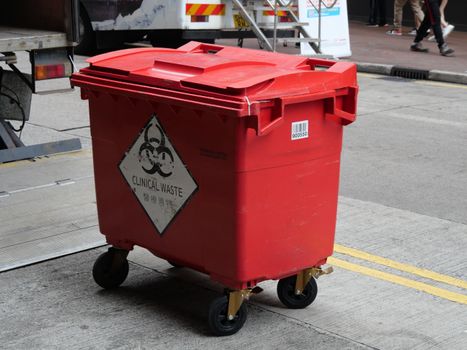
Sharps must be placed immediately in puncture-resistant, labelled containers that are easily accessible at the point of use. Containers should not be overfilled and should be replaced when they reach the fill line. Daniels Health Canada, a leader in needlestick safety solutions, emphasises the importance of innovative sharps containers combined with education and clinical processes to reduce injuries.
Use Personal Protective Equipment (PPE)
Wearing appropriate PPE, such as gloves, gowns, and eye protection, provides an additional layer of defence. While PPE does not prevent a puncture, it can reduce the risk of blood or body fluid contact with broken skin or mucous membranes.
Ongoing Education and Training
Regular training on safe sharps handling and disposal is a cornerstone of prevention. The Canadian Union of Public Employees (CUPE) stresses that the best way to prevent needlesticks and cuts from sharps is to eliminate contact with them. This means that whoever uses the sharp must dispose of the sharp promptly and correctly. Ongoing education helps reinforce these habits and keeps safety top of mind.
What to Do After a Needlestick Injury
Despite the best prevention efforts, injuries can still occur. Knowing the correct steps to take immediately after a needlestick exposure is vital for reducing the risk of infection.
Immediate First Aid
If you sustain a needlestick injury, wash the area with soap and water immediately. Do not squeeze the wound. If blood or body fluid splashes into your eyes, nose, or mouth, flush the area with plenty of water. Report the injury to your supervisor or occupational health department without delay.
Post-Exposure Prophylaxis
After an injury, a healthcare worker should receive prompt medical evaluation. If the source patient is known to have or is at high risk for HBV, hepatitis B immune globulin (HBIG) and the hepatitis B vaccine should be given. The Canadian Paediatric Society recommends giving the HBV vaccine at a different site from HBIG, as soon as possible and at the latest within seven days of the injury. The full vaccine series should be arranged. Depending on the nature of the exposure, post-exposure prophylaxis for HIV or other infections may also be considered.
Reporting and Documentation
Every needlestick injury must be documented according to your workplace’s protocol. At facilities such as The Hospital for Sick Children (SickKids), a specific procedure outlines steps for staff who sustain a sharps injury or biological exposure. Reporting ensures that the worker receives appropriate follow-up care and that the incident is recorded for prevention planning. It also supports ongoing surveillance efforts that help identify high-risk practices and devices.
The Role of Training in Prevention
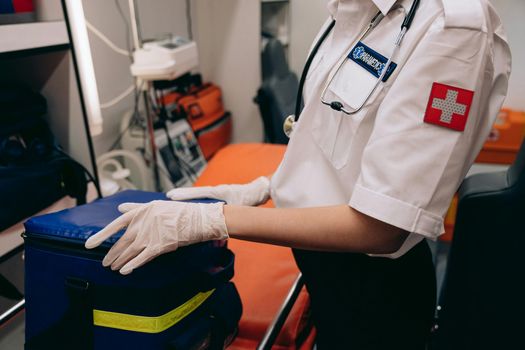
While engineering controls and workplace policies are critical, the knowledge and behaviour of individual healthcare workers play a central role in preventing needlestick injuries. Formal training courses that cover infection prevention and control, safe handling of sharps, and proper use of PPE help workers develop the skills they need to stay safe. Programs that address bloodborne pathogens and basic infection control, such as those offered by certified training institutes, equip workers with up-to-date information on regulatory requirements and best practices.
Ongoing education should not be seen as a one-time event. The Canadian Needle Stick Surveillance Network notes that ongoing injury prevention activities must be sustained rather than reactive. This means integrating sharps safety into regular staff orientation, annual competency reviews, and workplace safety meetings. For healthcare workers in Canada, keeping current with training is an essential part of maintaining a safe environment for themselves, their colleagues, and their patients.
Frequently Asked Questions
How common are needlestick injuries in Canada?
An estimated 70,000 needlestick and sharps injuries occur in Canada each year, with approximately 33,000 of those happening in Ontario. These injuries are considered the most common preventable cause of occupational blood and body fluid exposures among healthcare workers.
Are safety-engineered needles mandatory in Canada?
At the present time, the use of safety-engineered devices to prevent needlestick injuries is not mandatory across Canada. However, some provinces have enacted legislation requiring their use, and many healthcare facilities have voluntarily adopted them as part of their safety programs.
What should I do immediately after a needlestick injury?
Wash the site with soap and water immediately. Do not squeeze the wound. If eyes, nose, or mouth are exposed, flush with plenty of water. Report the injury to your supervisor and seek medical evaluation as soon as possible. Post-exposure prophylaxis may be needed.
Can needlestick injuries be prevented?
Yes, most needlestick injuries are preventable. Key measures include avoiding recapping, using safety-engineered sharps, disposing of sharps immediately in designated containers, and receiving regular training on safe practices. Prevention also relies on a workplace culture that prioritises safety and provides the necessary equipment.
Needlestick injury prevention is a shared responsibility that requires commitment from individual workers, employers, and training providers. By following established safety protocols, using proper equipment, and staying current with training, Canadian healthcare workers can significantly reduce their risk of injury and help create a safer healthcare system for everyone.