Canadians looking to learn or refresh emergency response skills can access this beginner-friendly online program from the Canadian Health Care Provider Training Institute (CHCPTI) in Mississauga. Online training lets you learn at your own pace from home. The CHCPTI online CPR, AED, and first aid course costs $20 and provides a 3-hour foundation in essential lifesaving basics.
Target Audience: Who Should Take This Course?
This program serves individuals who want baseline safety knowledge rather than formal workplace certification. It fits the needs of parents and caregivers preparing for home emergencies, students seeking a course completion credential, and community members learning general emergency awareness.
Course Curriculum and Structure
The curriculum spans seven lectures, one video, and ends with a 10-question practice test. The course teaches you to secure an emergency scene, ask for consent, prevent infection, and decide when to activate emergency medical services.
Step-by-Step Emergency Response
The lectures break down specific medical and traumatic scenarios. You learn to control bleeding using pressure and tourniquets, splint suspected fractures, and manage dental or eye injuries. Environmental modules cover first aid responses to hypothermia, heat illness, frostbite, and insect or snake bites.
CPR and AED Protocols for All Ages
The training details specific resuscitation protocols based on the patient’s age:
-
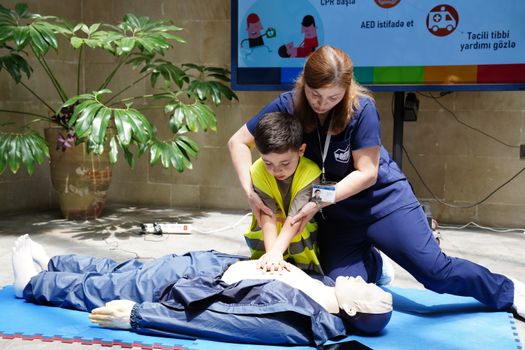
Adults: Identifying cardiac arrest, performing high-quality chest compressions, using a pocket mask, managing choking, and operating an AED safely.
-
Children: Executing 30 compressions and two breaths as a single rescuer, or 15 compressions and two breaths when two rescuers are present.
-
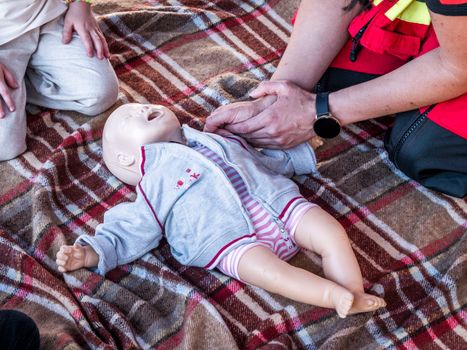
Infants: Modifying CPR and choking rescue techniques specifically for infant physiology.
Workplace Compliance and Certification Limits
This specific online course provides a completion credential but does not replace in-person certification. It is not a Heart & Stroke Foundation course and does not grant WSIB-approved certification. If your employer requires hands-on skills assessments for workplace compliance, CHCPTI directs you to specific training partners who deliver approved blended courses.
Online CPR, AED, and First Aid Course at CHCPTI
Canadians looking to learn or refresh emergency response skills can access this beginner-friendly online program from the Canadian Health Care Provider Training Institute (CHCPTI) in Mississauga. Online training lets you learn at your own pace from home. The CHCPTI online CPR, AED, and first aid course costs $20 and provides a 3-hour foundation in essential lifesaving basics.
Target Audience: Who Should Take This Course?
This program serves individuals who want baseline safety knowledge rather than formal workplace certification. It fits the needs of parents and caregivers preparing for home emergencies, students seeking a course completion credential, and community members learning general emergency awareness.
Course Curriculum and Structure
The curriculum spans seven lectures, one video, and ends with a 10-question practice test. The course teaches you to secure an emergency scene, ask for consent, prevent infection, and decide when to activate emergency medical services.
Step-by-Step Emergency Response
The lectures break down specific medical and traumatic scenarios. You learn to control bleeding using pressure and tourniquets, splint suspected fractures, and manage dental or eye injuries. Environmental modules cover first aid responses to hypothermia, heat illness, frostbite, and insect or snake bites.
CPR and AED Protocols for All Ages
The training details specific resuscitation protocols based on the patient’s age:
-
Adults: Identifying cardiac arrest, performing high-quality chest compressions, using a pocket mask, managing choking, and operating an AED safely.
-
Children: Executing 30 compressions and two breaths as a single rescuer, or 15 compressions and two breaths when two rescuers are present.
-
Infants: Modifying CPR and choking rescue techniques specifically for infant physiology.
Workplace Compliance and Certification Limits
This specific online course provides a completion credential but does not replace in-person certification. It is not a Heart & Stroke Foundation course and does not grant WSIB-approved certification. If your employer requires hands-on skills assessments for workplace compliance, CHCPTI directs you to specific training partners who deliver approved blended courses.
Frequently Asked Questions
Does this course cover adult, child, and infant CPR? Yes, the curriculum includes distinct lectures on CPR and choking protocols for adults, children, and infants.
Is this course suitable for complete beginners? Yes, CHCPTI lists this 3-hour program at the beginner level. It focuses on a clear, step-by-step introduction to fundamental emergency responses.
Can I use this for my workplace first aid requirement? Online learning covers the fundamentals, but most employers and provincial regulators require an approved provider and a hands-on skills assessment. You must confirm compliance requirements for your specific industry. CHCPTI partners with agencies that provide fully certified, WSIB-approved training for those who need it.