The Role of WHMIS Labels in Healthcare
In Canadian healthcare workplaces, nurses handle a wide range of hazardous products daily. WHMIS legislation requires that any product meeting the criteria to be classified as hazardous must be properly labelled. These labels are the first line of defence, providing critical information about the chemical, its hazards, and the precautions needed. Without a clear label, a nurse could unknowingly be exposed to a toxic substance, leading to serious injury or illness. Understanding WHMIS labels is not just a regulatory requirement; it is a core safety skill for every nurse.
Two Main Types of WHMIS Labels
Under Canadian WHMIS, there are two primary label types that nurses will encounter: supplier labels and workplace labels. Each serves a distinct purpose and follows specific rules.
Supplier Labels
A supplier label is created by the manufacturer or importer of a hazardous product. It must appear directly on the original container and includes several mandatory elements: the product identifier, supplier identifier, pictogram(s), signal word, hazard statements, and precautionary statements. These labels must be in both English and French, reflecting Canada’s official languages. When a nurse receives a chemical from a supplier, the first thing to check is that this label is intact and legible.
Workplace Labels
Workplace labels are created by the employer and are required in three situations: when a hazardous product is produced and used within the same workplace, when a product is decanted into another container, or when the original supplier label becomes lost or illegible. The workplace label must include the product identifier, safe handling information, and a statement indicating that the safety data sheet is available. For nurses, this often happens when a cleaning solution is poured into a smaller spray bottle for use on a shift. In such cases, a full workplace label may not be required if the decanted product is used immediately by the same person during that shift, but the container must still be identified with the product identifier.
Key Label Elements for Nurses
Every WHMIS label, whether supplier or workplace, contains vital information. Nurses should be able to identify and understand these components quickly.
- Product identifier: the name of the chemical (common name or brand name).
- Supplier identifier: the name, address, and phone number of the manufacturer or importer.
- Pictogram(s): black-and-red symbols that represent the type of hazard such as flame for flammable or skull and crossbones for acute toxicity.
- Signal word: either “Danger” for more severe hazards or “Warning” for less severe hazards.
- Hazard statements: phrases that describe the nature and degree of the hazard, for example “Causes skin irritation”.
- Precautionary statements: instructions on how to handle the product safely, such as “Wear protective gloves”.
For healthcare workers, common pictograms include the health hazard symbol for reproductive toxicity of certain drugs, the exclamation mark for irritants, and the corrosive symbol. Knowing these pictograms at a glance allows a nurse to take appropriate precautions when preparing a patient medication or cleaning a contaminated surface.
Supplier Label vs Workplace Label: A Quick Comparison
Understanding the differences helps nurses know what information to expect and when to request a workplace label if one is missing.
| Element | Supplier Label | Workplace Label |
|---|---|---|
| Who creates it | Manufacturer or importer | Employer |
| Required when | Product is received from supplier | Product is decanted, produced in-house, or supplier label lost or illegible |
| Language | English and French | Usually English and French (employer must ensure comprehension) |
| Pictogram(s) | Yes, if applicable | Not required, but safe handling information must convey hazards |
| Signal word | Yes (Danger or Warning) | Not required |
| Hazard statements | Yes | Not required |
| Precautionary statements | Yes | Not required, but safe handling information must be included |
| Reference to safety data sheet | Label indicates a safety data sheet is available | Must state that the safety data sheet is available |
Exemptions for Small Containers in Healthcare
In a healthcare environment, many hazardous products come in very small containers such as medication vials or reagent bottles. WHMIS regulations provide exemptions to avoid impractical labelling that could interfere with normal use. For containers of 100 mL or less, the supplier label is not required to include precautionary statements, though all other elements must still appear. For containers of 3 mL or less where the label interferes with normal use, the label may be removable during use but it must remain durable and legible during transport and storage. Nurses should be aware that even with these exemptions, the product identifier must always be present. Always consult the safety data sheet for full precautionary information.
Healthcare-Specific Hazardous Products
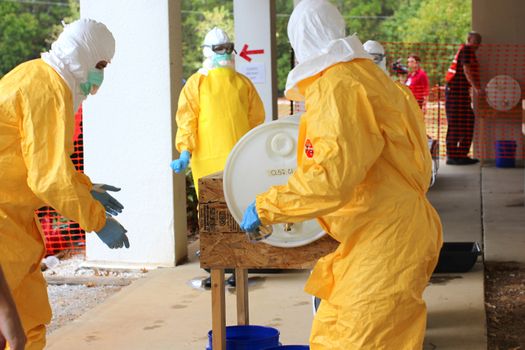
Nurses encounter a unique set of hazardous products. These include disinfectants, sterilants, anaesthetic gases, cytotoxic drugs, and laboratory reagents. Each of these products must have a WHMIS label. For instance, a bottle of glutaraldehyde sterilant will have a supplier label with a corrosion pictogram and a health hazard pictogram, along with precautionary statements about ventilation and protective equipment. A nurse preparing an intravenous bag containing a cytotoxic drug must check for a workplace label if the drug was prepared in the pharmacy and transferred to a new container. Understanding the label ensures the nurse selects the correct personal protective equipment and follows proper handling procedures.
The 2022 WHMIS Amendments and Transition Period
WHMIS in Canada is updated periodically to align with the Globally Harmonized System. The most recent amendments to the Hazardous Products Act and regulations came into force on December 15, 2022. Suppliers have until December 14, 2025, to bring their product classifications, safety data sheets, and labels into full compliance with these changes. For nurses, this means you may still encounter older labels during the transition period. However, employers are responsible for ensuring that workers are trained on the new hazard classes and labelling requirements. The amendments introduced updates to hazard classes, classification criteria, and labelling requirements, making the system more comprehensive and consistent with international standards.
Training Requirements for Nurses
WHMIS education and training are mandatory for all workers who work with or near hazardous products. Employers must provide this training before a nurse begins any tasks involving hazardous products. Training typically covers how to read and interpret labels, locate and understand safety data sheets, and apply safe handling procedures. In healthcare, this training is particularly critical due to the variety of chemical, biological, and pharmaceutical hazards present. The Canadian Health Care Provider Training Institute offers a dedicated WHMIS for Healthcare course that addresses the specific needs of nurses and other healthcare professionals. Certification demonstrates compliance with federal and provincial WHMIS requirements.
Frequently Asked Questions
Are all products in a healthcare setting covered by WHMIS?
Only products that meet the criteria to be classified as hazardous under WHMIS require labelling. Common examples include disinfectants, sterilants, anaesthetic gases, and cytotoxic drugs. Many non-hazardous items such as saline or bandages are not covered. Your employer must maintain an inventory of hazardous products and ensure all have appropriate labels.
What should a nurse do if a label is missing or illegible?
If a supplier label becomes lost, damaged, or illegible, a workplace label must be applied to the container immediately. Do not use the product until a proper label is in place. Notify your supervisor so that the label can be created, and ensure you have access to the corresponding safety data sheet for safe handling information.
Do I need WHMIS training if I only handle medications?
Yes, if the medications you handle are classified as hazardous products. Many pharmaceuticals such as cytotoxic drugs used in chemotherapy are considered hazardous under WHMIS. Even if you do not directly administer the drug, you may still be in proximity during preparation or waste disposal and must be trained. Check with your employer about which products in your area are covered.
Is there a difference between WHMIS labels and GHS labels?
WHMIS in Canada is fully aligned with the Globally Harmonized System. The labels are essentially the same, using standardized pictograms, signal words, hazard statements, and precautionary statements. However, WHMIS labels must be in both English and French, which may not be required in other countries. For most workplace purposes, WHMIS and GHS labels are interchangeable in Canada.
Understanding WHMIS labels is a fundamental safety skill for every nurse working in Canada. By recognizing both supplier and workplace labels, knowing the label elements, and staying current with training, nurses can protect themselves and their patients from harm. The 2022 amendments and the transition period to 2025 ensure that Canada’s system remains aligned with global best practices. For comprehensive training, consider enrolling in a certified WHMIS course designed specifically for the healthcare sector.