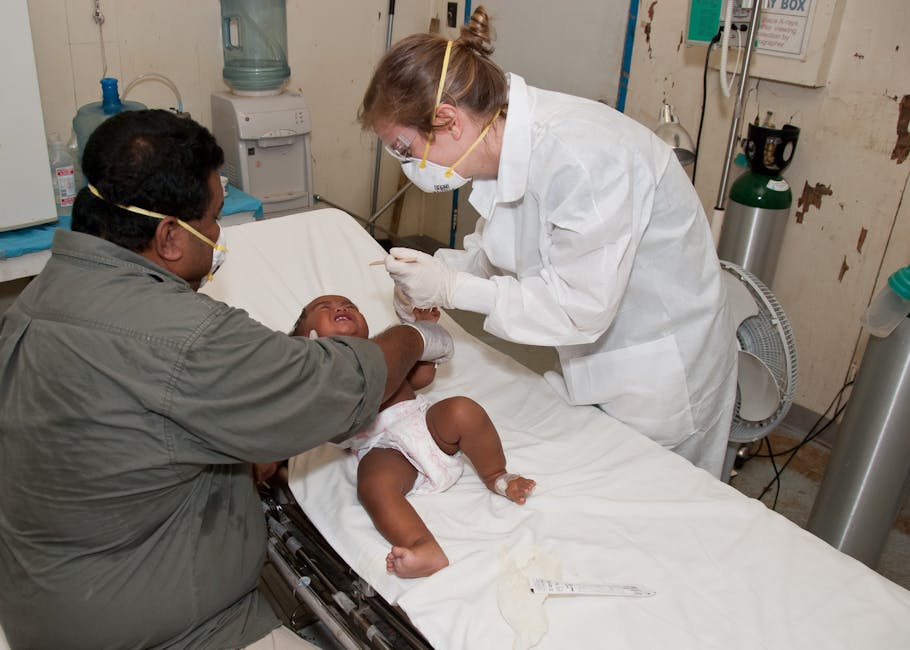
Pediatric Advanced Life Support, known as PALS, is a specialized training program for healthcare professionals who care for children in emergency situations. In Canada, the Heart and Stroke Foundation is the official certifying body for PALS certification. This article outlines the course options, learning formats, prerequisites, and key facts you need to know when pursuing PALS certification in Canada.
What Is PALS Certification?
PALS stands for Pediatric Advanced Life Support. The certification equips healthcare providers with the skills and knowledge to systematically assess and manage critically ill or injured children and infants. The curriculum covers recognition of respiratory distress, shock, and cardiac arrest, along with effective team dynamics and resuscitation techniques. The Heart and Stroke Foundation of Canada is the official certifying body for PALS in Canada. Courses and certification are delivered through training sites that follow Heart and Stroke Foundation standards. PALS certification is valid for two years, after which providers must renew to maintain their credentials.
Who Should Take a PALS Course?
PALS courses are designed for healthcare providers such as registered healthcare professionals. This includes physicians, nurses, paramedics, respiratory therapists, and other clinicians who may be involved in pediatric emergencies. The training is not intended for the general public or for laypeople without a medical background. If you work in a hospital emergency department, pediatric unit, intensive care unit, or pre-hospital setting, PALS certification is often expected by employers. However, the research pack does not state that PALS certification is mandatory for any specific Canadian healthcare role. Providers should check with their employer or regulatory college for specific requirements.
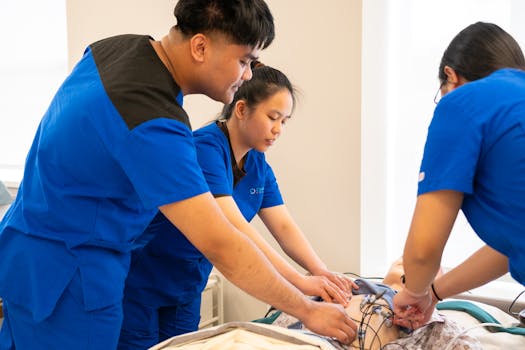
Course Options: PALS Provider vs. PALS Provider Renewal
The Heart and Stroke Foundation offers two course options for PALS certification: the PALS Provider course and the PALS Provider Renewal course.
PALS Provider Course
The PALS Provider course is intended for healthcare providers who are new to PALS or who use PALS skills infrequently. It covers the full curriculum, including systematic assessment, respiratory and shock management, cardiac arrest algorithms, and team dynamics. The course requires passing a written exam and a skills test. The traditional classroom format of the PALS Provider course is 14 hours. The blended learning format combines self-paced online learning with a shorter instructor-led classroom session lasting 9 hours. Both formats cover the same material and lead to the same certification.
PALS Provider Renewal Course
The PALS Provider Renewal course is designed for healthcare providers who are confident in their PALS skills and use them regularly. It is a streamlined option that updates knowledge and reinforces key concepts without covering the full initial curriculum. The traditional classroom format for the renewal course is 6 hours. The blended learning format includes self-paced online work plus a 5-hour instructor-led classroom session. Like the Provider course, the Renewal course requires passing a written exam and a skills test.
Learning Formats: Traditional vs. Blended
PALS courses in Canada are offered in two learning formats: traditional classroom and blended learning. Understanding the differences helps you choose the option that fits your schedule and learning style.
Traditional Classroom Format
In the traditional format, all learning takes place in a classroom with an instructor. For the PALS Provider course, this means 14 hours of in-person instruction. For the renewal course, it is 6 hours. This format is ideal for learners who prefer face-to-face interaction and hands-on practice in a structured environment.
Blended Learning Format
The blended learning format combines a self-paced online component with an instructor-led classroom session. The online portion covers theoretical knowledge, algorithms, and preparatory material. The classroom session focuses on hands-on skills practice, team scenarios, and testing. For the PALS Provider course, blended learning includes self-paced online work plus 9 hours in the classroom. For the renewal course, it includes online work plus 5 hours in the classroom. This format offers flexibility for learners who want to complete the theoretical portion on their own schedule before attending a shorter in-person session.
Prerequisites for PALS Provider Certification
Before enrolling in the PALS Provider course, candidates must meet two prerequisites. First, you need a current Heart and Stroke Foundation BLS Provider certificate. Basic Life Support skills are foundational to PALS training, so this requirement ensures you have the core resuscitation skills needed for the course. Second, you must pass the PALS Precourse Self-Assessment with a score of 70 percent or higher. This self-assessment tests your knowledge of pediatric emergencies, algorithms, and pharmacology before the course begins. Completing it helps you identify areas where you need to focus your study. These prerequisites apply to the PALS Provider course. Candidates for the PALS Provider Renewal course should verify their specific requirements with their training provider.
What to Expect During the Course
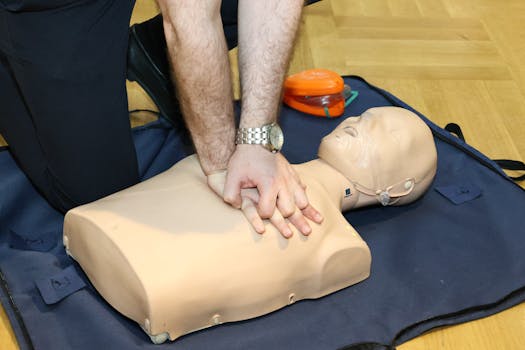
The PALS course emphasizes team-based learning and hands-on practice. In the classroom, participants work through simulated pediatric emergencies using mannequins, equipment, and case scenarios. The curriculum includes systematic assessment (the Pediatric Assessment Triangle), respiratory management, vascular access, cardiac rhythm recognition, and defibrillation. Testing includes a written exam and a skills test. The skills test often involves a megacode scenario where participants demonstrate their ability to lead a team, apply algorithms, and perform interventions. The Heart and Stroke Foundation uses team-based megacode testing that includes a CPR Coach role to evaluate team dynamics and resuscitation performance. Participants who successfully complete the course receive a PALS certification card from the Heart and Stroke Foundation of Canada, valid for two years.
Certification Validity and Renewal
PALS certification from the Heart and Stroke Foundation of Canada is valid for two years. After that, healthcare providers must take the PALS Provider Renewal course or repeat the full PALS Provider course to maintain their certification. It is important to note that different training providers may state different validity periods. For example, one source mentions a three-year expiration period. However, the official certifying body, the Heart and Stroke Foundation of Canada, designates a two-year validity. Providers are advised to confirm the expiration policy with the organization that issues their certification and to check employer requirements to ensure their credentials remain current.
Preparing for Your PALS Course
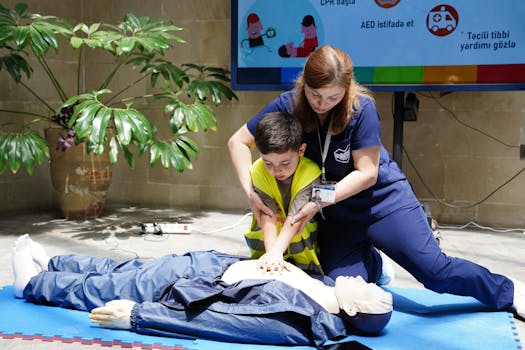
Preparation is key to success in any PALS course. Candidates should start by completing the PALS Precourse Self-Assessment and reviewing the official PALS Provider Manual. The online component in blended learning formats covers much of the preparatory material, but additional study is recommended. Key areas to review include the pediatric systematic assessment algorithm, respiratory distress and failure management, shock recognition and treatment, cardiac arrest algorithms (including VF/pulseless VT, asystole, and PEA), and the medications used in pediatric resuscitation. Practicing BLS skills is also important since they are the foundation of PALS.
Frequently Asked Questions
How long is PALS certification valid in Canada?
PALS certification issued by the Heart and Stroke Foundation of Canada is valid for two years. Providers must take a renewal course or the full Provider course again before the expiration date to maintain their certification. Always verify the expiration date on your certification card.
Can I take the PALS course online?
PALS courses are offered in a blended learning format that includes a self-paced online component plus an instructor-led classroom session. The online portion covers theoretical knowledge, while the classroom session provides hands-on skills practice and testing. Traditional classroom courses are also available.
What is the difference between PALS Provider and PALS Provider Renewal?
The PALS Provider course is for those new to PALS or who use skills infrequently. It covers the full curriculum and requires 14 hours in the traditional format. The PALS Provider Renewal course is for confident users who regularly apply PALS skills and is shorter at 6 hours in the traditional format.
What prerequisites do I need for the PALS Provider course?
You need a current Heart and Stroke Foundation BLS Provider certificate and a passing score of 70 percent or higher on the PALS Precourse Self-Assessment. These prerequisites ensure you enter the course with the foundational skills needed for advanced pediatric resuscitation training.
Does PALS certification expire?
Yes, PALS certification is valid for two years from the date of completion, according to the Heart and Stroke Foundation of Canada. After expiration, providers must successfully complete a renewal course or full Provider course to regain certification. Employers may require proof of current certification. PALS certification is an important credential for healthcare professionals involved in pediatric care. Understanding the course options, formats, prerequisites, and validity period helps you choose the right training path. Whether you are new to PALS or renewing your skills, selecting a course that fits your experience level and schedule ensures you are prepared to provide the best possible care in pediatric emergencies.