Infection prevention and control (IPAC) is a critical component of safe dental practice in Canada. Each province sets its own regulatory standards, meaning dentists and dental staff must be aware of the specific requirements in their jurisdiction. While there is no single national standard for dental infection control in Canada, provincial regulatory bodies provide detailed guidelines to protect patients and healthcare workers. This article outlines the key IPAC requirements for dental practices in Ontario, Saskatchewan, and Alberta, based on information from their respective regulatory colleges, and discusses the importance of consistent training and compliance across the country.
The Provincial Patchwork of Dental Infection Control Standards
Because health care regulation in Canada is a provincial responsibility, dental infection control standards vary across the country. Three provinces with publicly available IPAC standards are Ontario, Saskatchewan, and Alberta. Each set of rules is enforced by the provincial dental regulatory body, and compliance is mandatory for all registrants.
Ontario: The RCDSO IPAC Standard
Dentists in Ontario must follow the Infection Prevention and Control (IPAC) Standard published by the Royal College of Dental Surgeons of Ontario (RCDSO). This standard aligns with guidelines from Public Health Ontario, the Public Health Agency of Canada, and the Provincial Infectious Diseases Advisory Committee (PIDAC). The RCDSO’s earlier 2009 guidelines covered core principles such as hand hygiene, personal protective equipment (PPE), sterilization of instruments, management of dental unit waterlines, and safe handling of sharps. While the 2009 document is archived, the current RCDSO IPAC Standard remains the binding requirement for all Ontario dental offices. Practitioners should refer directly to the RCDSO website for the most up-to-date version.
Saskatchewan: CDSS Infection Prevention and Control Standards
In Saskatchewan, all registrants of the College of Dental Surgeons of Saskatchewan (CDSS) must comply with the CDSS Infection Prevention and Control Standards, updated in September 2022. Importantly, the standard states that compliance is the responsibility of every oral health care professional, not solely the employer or practice owner. This means each dentist, dental hygienist, and dental assistant must personally ensure they follow the required protocols. The CDSS standards cover similar areas to Ontario’s, including sterilization, environmental cleaning, and PPE use, and are binding for all dental settings in the province.
Alberta: CDSAB Requirements and Medical Device Licensing
In Alberta, the College of Dental Surgeons of Alberta (CDSAB) requires that all instruments, medical devices, and chemical products used in dental practices be licensed by the Government of Canada’s Medical Devices Bureau. This ensures that equipment and supplies meet federal safety standards. While the full CDSAB IPAC standard is not summarized in the available research, this specific requirement highlights Alberta’s emphasis on using approved medical devices. Dental professionals in Alberta should consult the CDSAB directly for complete IPAC guidelines.

Core IPAC Principles Common Across Provincial Standards
Although each province has its own regulatory document, the fundamental infection control principles are similar. Based on the RCDSO 2009 guidelines and the general content of provincial standards, the following areas are consistently addressed:
- Hand hygiene: Proper hand washing and use of alcohol-based hand rubs before and after patient contact.
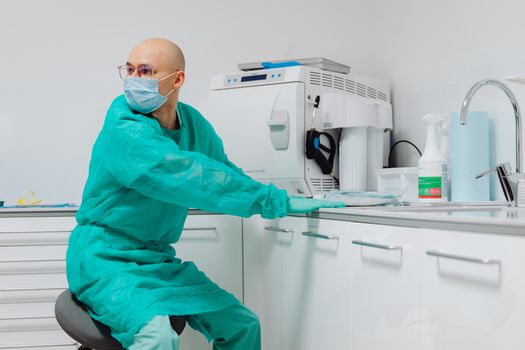
- Personal protective equipment (PPE): Use of gloves, masks, protective eyewear, and gowns as appropriate for procedures.
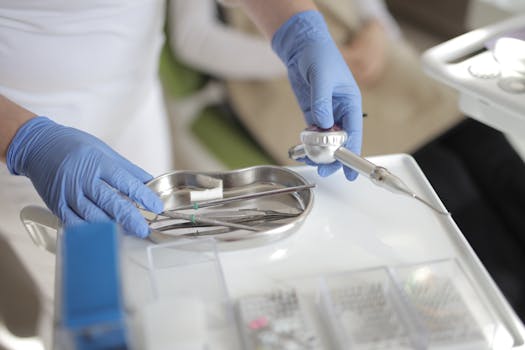
- Sterilization of instruments: Use of autoclaves and biological indicators to confirm sterilization effectiveness.
- Dental unit waterlines: Treatment and testing to maintain water quality and prevent biofilm contamination.
- Management of sharps: Safe handling, use of sharps containers, and protocols for needlestick injuries.
- Environmental cleaning: Disinfection of clinical surfaces and proper waste disposal.
The IPAC Canada resource centre provides additional links to guidelines from the Canadian Dental Association and the Canadian Journal of Dental Hygiene, offering a further reference for best practices.
Variation in Infection Control Education Across Dental Schools
Consistent implementation of IPAC standards begins with education. A 2022 study published in a peer-reviewed journal identified variation in specific infection prevention and control strategies across all dental schools in Canada. This indicates that future dentists may receive different training depending on where they study. Such variation can lead to inconsistencies in practice after graduation, especially in areas not explicitly covered by provincial standards. For practising dentists and their teams, ongoing professional development and in-practice training are essential to close any gaps left by initial education.
The Role of Certified Training in Meeting Compliance
Staying current with provincial IPAC requirements is a professional obligation. Many dental professionals turn to certified training programs to refresh their knowledge and ensure their practices meet regulatory expectations. Courses such as the Basic Infection Control (IPAC) certification offered by organizations like the Canadian Health Care Provider Training Institute (CHCPTI) provide structured learning on core principles. These programs are designed for healthcare providers who need a solid foundation in infection prevention, covering topics like hand hygiene, PPE, sterilization, and bloodborne pathogens. Completing a recognized IPAC course helps dental teams demonstrate their commitment to patient safety and regulatory compliance. For those in Ontario, aligning training with the RCDSO IPAC Standard is particularly important; for Saskatchewan registrants, understanding the CDSS standards is key; and in Alberta, familiarity with the medical device licensing requirement adds another layer of responsibility.
Frequently Asked Questions
What is the most important infection control guideline for dentists in Canada?
There is no single national guideline for dental infection control in Canada. Each province has its own regulatory standard. Dentists must follow the IPAC standard set by their provincial regulatory body, such as the RCDSO in Ontario or the CDSS in Saskatchewan. Always verify the current requirements with your provincial college.
Are dental unit waterlines regulated in Canadian provinces?
Yes, dental unit waterline management is a standard component of provincial IPAC guidelines. For example, the RCDSO 2009 guidelines included recommendations for waterline treatment and testing. Provincial standards generally require regular maintenance and monitoring to ensure water quality meets safety limits.
Do dental assistants need separate infection control training in Canada?
Infection control training is the responsibility of all oral health care professionals, not just dentists. In Saskatchewan, the CDSS standards explicitly state that compliance applies to every registrant. Dental assistants should receive training that aligns with their province’s IPAC requirements, often through certified courses or employer-provided programs.
Infection prevention and control in dental practices is a shared responsibility that requires ongoing attention to provincial regulations, consistent team training, and a commitment to patient safety. By staying informed about the standards in their province and pursuing certified IPAC education, dental professionals can maintain a safe environment for everyone in their practice.

 Google