Maintaining a valid first aid and CPR certification is essential for many Canadian workers and volunteers. Whether you are a healthcare professional, a workplace safety officer, or a member of the general public, your certification will eventually expire and need renewal. In Canada, most major providers issue first aid certificates that are valid for a set period, typically three years. As the renewal date approaches, you may wonder whether you can complete your recertification online. This article explains what is currently available for online first aid recertification in Canada, the requirements set by national training bodies, and what you should consider before enrolling in a course.
How Long Are Canadian First Aid Certificates Valid?
First aid certificates issued by Heart And stroke Canada are valid for three years from the date of successful completion. This three-year validity is standard across most Canadian provinces and territories and applies to both Standard First Aid and Emergency First Aid certifications. While the certificate itself lasts three years, St. John Ambulance recommends that individuals take a CPR and AED refresher annually to maintain their practical skills. Renewing a full first aid certificate before it expires is generally quicker and less expensive than taking the complete course again.
Recertification Options Through Major Canadian Providers
Heart And stroke Recertification
Heart And stroke Canada offers recertification courses for those who hold a current or recently expired certificate. Recertification availability depends on the province and local regulations, so you must check with your provincial St. John Ambulance office to confirm eligibility and course schedules. The St. John Ambulance Standard or Intermediate First Aid Recertification is an eight-hour course. Similarly, the Emergency or Basic First Aid Recertification is also eight hours. For those who only need to renew their CPR and AED skills, a dedicated three-hour recertification is available. These courses are delivered in a classroom setting with hands-on practice. Currently, St. John Ambulance does not offer a fully online recertification option for full first aid certificates through its official channels; however, some online awareness courses are available for general knowledge, but these do not replace a formal recertification.
Canadian Red Cross Recertification
The Canadian Red Cross also provides recertification opportunities for first aid and CPR. Their recertification course is only available to individuals who hold a valid certificate that has not yet expired. This means you cannot use the recertification pathway if your certificate has lapsed – you would need to retake the full course. The Red Cross recertification course is typically conducted in person, with a focus on updating skills and knowledge. As of the available information, the Red Cross does not explicitly offer an online recertification for first aid; their course materials may be supplemented with online components, but the official recertification itself is an in-person event.
Can You Complete First Aid Recertification Fully Online in Canada?
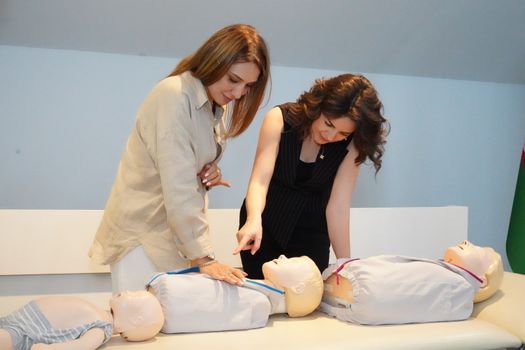
This is a common question among busy professionals and individuals seeking convenience. Based on current information from Canada’s two largest first aid training providers, a fully online recertification for a complete first aid certificate is not widely available. Both Heart And stroke and the Canadian Red Cross require a significant in-person component for recertification courses. The hands-on skills assessment – such as demonstrating proper chest compressions, using an AED, and bandaging techniques – is considered essential for ensuring competence. Some providers may offer a blended learning model, where the theoretical portion is completed online and the practical session is done in person. However, this blended format still requires you to attend a face-to-face class for the skill demonstration and testing.
If you see a website offering a 100% online first aid recertification that claims to meet Canadian standards, you should verify the credentials of the issuing body carefully. Many online-only providers are based outside Canada and offer certifications that comply with American standards, such as those from the American Heart Association or OSHA. These certifications may not be accepted by Canadian employers, provincial regulations, or workplace safety boards. It is always safer to choose a provider recognized in Canada, such as St. John Ambulance, the Canadian Red Cross, or Heart & Stroke Foundation-affiliated training centres.
Provincial Regulations and Recertification
First aid training requirements in Canada are largely governed by provincial and territorial workers’ compensation boards and occupational health and safety legislation. For example, Ontario’s WSIB sets standards for workplace first aid training, and British Columbia’s WorkSafeBC has its own requirements. While the core skills are similar, the specific certification requirements can vary between provinces. Because recertification availability from St. John Ambulance depends on province and local regulations, your options for recertification may differ if you live in Alberta versus Nova Scotia. It is advisable to check with your provincial regulator or your training provider to confirm what is accepted in your workplace or region.
The Importance of Practical Skills in Recertification
First aid and CPR are not just theoretical subjects. They require muscle memory and the ability to act under pressure. Even if online learning can deliver the knowledge components effectively, the practical skills – such as performing CPR at the correct depth and rate, using a bag-valve mask, or applying a tourniquet – benefit from in-person coaching and feedback. For this reason, most regulatory bodies and training organizations maintain a mandatory in-person component for recertification. When you recertify, you are typically expected to demonstrate the same level of skill as someone taking the course for the first time. The short duration of recertification courses (eight hours for full first aid recertification) reflects that the learner already possesses foundational knowledge but needs to refresh and reassess their abilities.

What to Do If Your Certificate Has Expired
If your certificate has expired beyond the grace period allowed by your provider, you will generally need to take the full first aid course again rather than a recertification. For the Canadian Red Cross, any expired certificate requires a full course. For St. John Ambulance, policies may vary by province, but many also require full training if too much time has passed since expiry. It is best to recertify before your certificate expires to save time and money. Setting a reminder three months before the expiry date is a good practice.

Choosing the Right Recertification Course
When you are ready to renew, start by identifying which level of certification you need. Standard First Aid is the most common for workplace requirements and includes CPR Level C or HCP. Emergency First Aid is a shorter course more suited to low-risk environments. Confirm with your employer or regulatory body which certification level is required. Next, select a provider that is recognized in your province. St. John Ambulance and the Canadian Red Cross are the two most widely accepted. Check their websites for recertification course availability near you. Some training centres, such as the Canadian Health Care Provider Training Institute (CHCPTI), offer WSIB-compliant First Aid courses with a blended online and in-person format. These hybrid options can save you time on the classroom portion while still meeting the mandatory practical requirements.
It is also worth noting that many providers now offer online CPR and AED awareness courses for personal knowledge, but these do not satisfy formal certification or recertification requirements. Always read the course description carefully to ensure you are enrolling in a recognized recertification program, not just an awareness module.
Frequently Asked Questions
Can I recertify my first aid certification entirely online in Canada?
At this time, no major Canadian first aid provider offers a completely online recertification that meets provincial workplace standards. Blended learning, where theory is online and the practical exam is in person, is available from some training centres, but a fully online recertification is not recognized. Always confirm with your provincial regulator before enrolling in any online-only course.
How long does first aid recertification take?
For St. John Ambulance, both Standard or Intermediate First Aid Recertification and Emergency or Basic First Aid Recertification are eight-hour courses. The CPR and AED recertification is three hours. The Canadian Red Cross recertification length is similar, though exact hours may vary by location. Plan for a half-day or full-day commitment.
What happens if my first aid certificate expires before I recertify?
If your certificate has expired, you will likely need to retake the full first aid course rather than the shorter recertification. The Canadian Red Cross requires a valid, unexpired certificate for recertification eligibility. St. John Ambulance policies depend on the province, but in most cases an expired certificate means you must repeat the full training. To avoid this, recertify before the expiry date.
Does St. John Ambulance offer online recertification?
St. John Ambulance Canada offers online awareness courses for general knowledge, but official first aid recertification is conducted in a classroom setting. Recertification availability depends on provincial regulations. You should contact your provincial St. John Ambulance office to learn about specific options, including any blended learning offerings.
Will an online first aid certification from a US-based provider be accepted in Canada?
Canadian employers and workplace safety authorities generally require certification from a recognized Canadian provider, such as St. John Ambulance or the Canadian Red Cross. US-based certifications, including those from the American Heart Association or SimpleCPR, are not automatically accepted for Canadian workplace compliance. Check with your provincial workplace safety board before relying on a non-Canadian certificate.
Keeping your first aid certification current is a responsibility that can save lives. While fully online recertification is not yet standard in Canada, blended and in-person options remain effective and accessible. By planning ahead and choosing a reputable provider, you can renew your certification smoothly and continue to meet your workplace or volunteer requirements. For more information on specific courses and upcoming recertification dates, visit the website of your chosen training provider or your provincial first aid authority.