When you start looking into emergency preparedness in Canada, you quickly encounter three terms: CPR, AED, and First Aid. They are often grouped together, but each represents a different set of skills and knowledge. Understanding the distinctions is important for choosing the right training for your workplace, profession, or personal readiness. This article explains each component, how they relate, and which certifications are commonly required across Canadian settings.
Understanding the Basics: CPR, AED, and First Aid
Before comparing them, it helps to define each term clearly. CPR and AED training are specific life-saving techniques, while first aid is a broader category that includes both.
What is CPR?
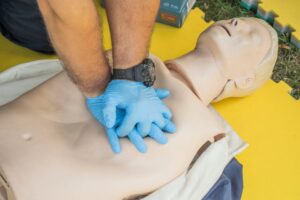
CPR stands for cardiopulmonary resuscitation. It is a manual technique that combines chest compressions and rescue breaths to maintain blood flow and oxygen to the brain and vital organs when someone’s heart has stopped beating. In Canada, CPR training is divided into different levels depending on the age group and the rescuer’s role. The Heart and Stroke Foundation, the Canadian Red Cross, and St. John Ambulance all offer nationally recognized CPR courses that teach how to respond to cardiac arrest, choking, and other breathing emergencies.
What is an AED?
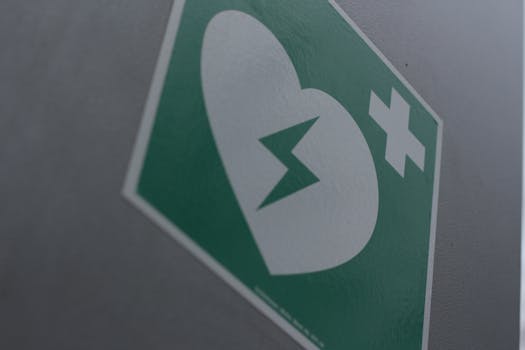
An AED, or automated external defibrillator, is a portable electronic device that analyses a person’s heart rhythm and, when needed, delivers an electric shock to restore a normal heartbeat. In Canadian first aid and CPR courses, AED use is taught alongside CPR because the two work together. For instance, the Canadian Red Cross Standard First Aid and CPR course includes AED training for adults, children, and infants. Using an AED within the first few minutes of a cardiac arrest greatly increases the chance of survival, which is why they are commonly found in airports, community centres, and workplaces across Canada.
What is First Aid?
First aid is a broader field that covers the initial care given to someone who is injured or suddenly ill. It includes everything from treating minor cuts and burns to managing fractures, head and spine injuries, poisoning, and environmental emergencies like hypothermia. CPR and AED use are part of first aid, but first aid also covers wound care, splinting, and scene management. In Canada, the two main levels of first aid training are Emergency First Aid (one day) and Standard First Aid (two days). Both include CPR and AED components, but Standard First Aid goes into greater depth.
Key Differences Between CPR, AED, and First Aid
While all three are life-saving skills, they differ in scope, technique, and equipment. The table below summarizes the main distinctions based on information from Canadian training organizations.
| Skill | What It Involves | Equipment | Typical Course Focus |
|---|---|---|---|
| CPR | Manual chest compressions and rescue breaths | None (requires only the rescuer’s hands) | Cardiac arrest, choking, respiratory emergencies |
| AED | Rhythm analysis and electric shock delivery | Automated external defibrillator | Integration with CPR for sudden cardiac arrest |
| First Aid | Broad medical assistance including CPR, AED, wound care, splinting, and more | First aid kit, bandages, splints, AED | Full spectrum of medical and trauma emergencies |
CPR is a manual skill performed by the rescuer. An AED is a device that guides the rescuer with voice prompts. First aid is the overarching category that includes both along with many other interventions.
CPR vs AED
The Canadian Red Cross and Heart and Stroke Foundation both emphasize that CPR and AED training go hand in hand. CPR alone can circulate oxygenated blood, but it cannot restart a heart that is in a shockable rhythm such as ventricular fibrillation. An AED delivers that shock. In a typical Canadian course, you learn how to perform CPR until an AED arrives, then how to apply the pads and follow the prompts. The two skills are complementary, and most certification programs teach them together.
First Aid vs CPR
First aid is a much wider subject. While CPR focuses on cardiac and breathing emergencies, first aid covers fracture management, bleeding control, burns, allergic reactions, poisoning, and more. Standard First Aid, which runs 16 hours over two days, includes all the topics from Emergency First Aid plus head and spine injuries, bone or joint injuries, and environmental emergencies like heat stroke or frostbite. In Canada, CPR is always a core part of first aid training, but first aid courses spend additional time on assessment and treatment of non-cardiac conditions.
CPR Levels in Canada: A, C, and BLS
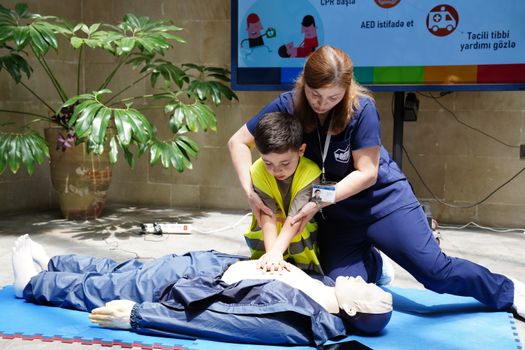
Canadian training providers like St. John Ambulance and MediPro First Aid separate CPR into three common levels. The level you need depends on your workplace requirements or the ages of people you may assist.
CPR Level A (Adult)
CPR Level A covers resuscitation techniques for adults only. It includes one-rescuer CPR, use of an AED on an adult, and care for adult choking. This level is often chosen by workplaces that serve adults exclusively or by individuals who want a basic certification. It typically takes a half-day to complete.
CPR Level C (Adult, Child, and Infant)
CPR Level C is the most common level for the general public in Canada. It covers CPR and AED for adults, children, and infants. It also includes care for choking in all age groups. According to the Canadian Red Cross, CPR C and AED training teaches how to manage cardiovascular emergencies for all ages. This level is often required for teachers, childcare workers, fitness instructors, and parents. Many First Aid courses pair CPR Level C with either Emergency or Standard First Aid.
CPR BLS (Healthcare Provider)
Basic Life Support (BLS) is designed for healthcare professionals such as nurses, paramedics, and physicians. It covers everything in CPR Level C but adds more advanced techniques: use of a bag-valve mask (BVM), two-rescuer CPR, and advanced airway management. BLS certification is frequently a mandatory condition for clinical employment and licensing in Canada. The Heart and Stroke Foundation BLS course is widely accepted in hospitals and clinics across the country.
Emergency First Aid vs Standard First Aid
In Canada, most workplace requirements refer to either Emergency First Aid or Standard First Aid. The difference is mainly the amount of content and training time.
Emergency First Aid
Emergency First Aid is an 8-hour, one-day course. It focuses on life-threatening emergencies: CPR, choking, severe bleeding, and basic shock management. According to Aspire First Aid Guide Training Corp, Emergency First Aid meets the basic requirements for Ontario workplaces with five or fewer employees per shift. It is also common in recreational facilities where the risk of serious injury is lower. However, many employers and regulations require the more comprehensive Standard First Aid.
Standard First Aid
Standard First Aid is a 16-hour, two-day course that covers all Emergency First Aid topics plus additional content. The Canadian Red Cross lists head and spine injuries, bone fractures, and environmental emergencies as part of the Standard curriculum. The St. John Ambulance Standard/Intermediate course runs 16 hours. Standard First Aid is the accepted standard for most workplaces in Canada, especially those with more than five employees or higher hazard levels. Certification for both Emergency and Standard First Aid is valid for three years.
Which Training Do You Need?
The right training depends on your role and the environment you are in. Canadian regulations vary by province, but some general guidelines apply.
For Workplace Requirements
Most Canadian provinces follow similar principles: the higher the number of employees and the greater the hazard, the more advanced the first aid training must be. Ontario’s WSIB guidelines, for example, accept Standard First Aid as the default for medium and large workplaces. Emergency First Aid may suffice for low-risk environments with small staff. Your employer or provincial workers’ compensation board can specify the exact level required. In many cases, CPR Level C with AED is part of the Standard First Aid course, making it a single combined certification.
For Healthcare Professionals
Doctors, nurses, paramedics, and other healthcare providers typically need BLS certification from a recognized organization such as the Heart and Stroke Foundation. BLS includes advanced airway management and team-based resuscitation skills. Many healthcare employers also require ACLS (Advanced Cardiac Life Support) or PALS (Pediatric Advanced Life Support), but the core life-saving requirement is usually BLS. Training providers like the Canadian Health Care Provider Training Institute offer BLS courses that meet these standards.
For the General Public
Any Canadian can benefit from a combined Standard First Aid and CPR Level C course. It gives you the skills to help in a wide range of emergencies at home, in the community, or at work. Parents, caregivers, coaches, and volunteers are often encouraged to take CPR Level C because it covers children and infants. If you only need basic adult resuscitation, CPR Level A may be sufficient, but most people choose the broader Level C for its versatility.
Frequently Asked Questions
What is the difference between CPR and First Aid?
First aid is the overall practice of providing initial care for injuries and sudden illnesses. CPR is a specific technique within first aid that focuses on keeping blood and oxygen flowing during cardiac arrest. First aid courses cover many topics, while CPR courses concentrate solely on resuscitation and airway emergencies.
Do I need separate AED training?
No. In Canada, AED training is integrated into CPR and First Aid courses. For example, the Canadian Red Cross Standard First Aid and CPR course includes AED use for adults, children, and infants. You do not need a separate AED-only certification unless your employer specifically requests it.
How long is first aid certification valid in Canada?
Both Emergency First Aid and Standard First Aid certifications are valid for three years. CPR certifications issued alongside them are also valid for three years, although some healthcare providers require annual renewal for BLS. Always check with your employer or regulatory body.
Which CPR level is best for a parent or childcare provider?
CPR Level C is the best choice because it covers resuscitation for adults, children, and infants. Many first aid courses designed for parents or childcare workers include CPR Level C and AED training. This ensures you are prepared for emergencies involving anyone in the family.
Is Standard First Aid mandatory for all Canadian workplaces?
Not for all, but it is the most commonly required level for medium and large workplaces. In Ontario, Standard First Aid is the accepted standard for most workplace settings. Smaller workplaces with five or fewer employees per shift may meet requirements with Emergency First Aid. Provincial regulations vary, so verify with your local workers’ compensation board.
Choosing the right training in Canada depends on your specific needs. For most people, a combined Standard First Aid and CPR Level C course provides the broadest set of life-saving skills. Healthcare professionals require BLS, and some workplaces accept Emergency First Aid. Regardless of the level, both CPR and AED training are essential components that save lives when every second counts. With a three-year certification cycle, renewing your skills regularly keeps you prepared for any emergency.