For Canadian nurses, keeping an Advanced Cardiovascular Life Support (ACLS) credential current is often a condition of employment and a daily expectation in hospital units, clinics, and emergency settings. Because ACLS certification is issued on a two-year cycle, recertification is a regular part of professional life. Understanding the renewal process for 2026, including the available formats and time commitments, helps nurses plan ahead and maintain compliance without unnecessary disruption to their schedules.
The renewal process in Canada offers more flexibility than ever. Nurses can choose between a standard classroom-based renewal, a blended format that pairs online study with hands-on simulation, or a fully online recertification option. Training centres affiliated with the Heart & Stroke Foundation and other recognized providers have structured these courses to test the high-level skills used in cardiac-related emergencies while accommodating the realities of shift work and busy clinical roles.
Understanding the Two-Year ACLS Certification Cycle
ACLS courses in Canada lead to a two-year certification. When that period ends, nurses must complete a recertification course rather than repeating the full provider curriculum. Most training institutions recommend registering for a recertification course as soon as your current credential is about to expire. According to one Ontario hospital’s guidance, both Provider and Recertification courses are available, and a recertification course can be completed in a single day. Planning around that one-day format makes it easier for working nurses to schedule their renewal around shifts and personal commitments.
The two-year cycle also means nurses should mark their calendars well in advance. Expired credentials can interrupt employment requirements, so building a renewal reminder into your professional schedule is a practical step. Checking your expiry date before making plans ensures you have enough time to complete the required assessment for admission and secure a seat in the course format you prefer.
ACLS Provider vs. ACLS Renewal: Know the Difference
Nurses often ask whether they need to take the full Provider course or the shorter Renewal course. The answer depends entirely on your current certification status. The ACLS Provider course is designed for people learning the material for the first time, while the ACLS Provider Renewal course is intended for healthcare providers who already hold the credential and need to refresh their skills.
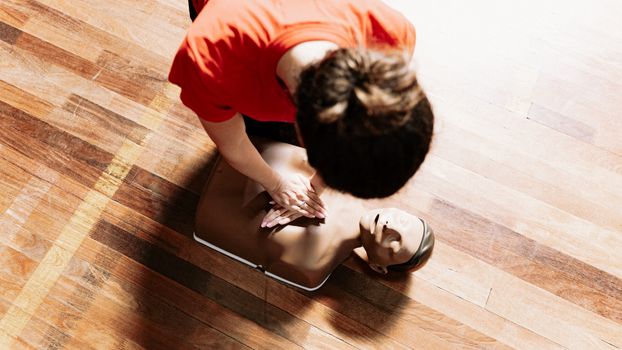
The Heart & Stroke Foundation describes its ACLS Provider Renewal course as one that tests and strengthens high-level skills and knowledge involving core ACLS concepts in simulated, cardiac-related emergency situations. Because participants are expected to arrive with an existing foundation, the renewal format is more focused than the initial course. It concentrates on refining performance, practising team dynamics, and demonstrating competence in simulated scenarios rather than re-teaching fundamental content from the beginning.
ACLS Recertification Formats in 2026
The 2026 renewal landscape gives Canadian nurses several paths to recertification. The right option depends on your schedule, learning preferences, and employer expectations. The table below summarizes the primary formats described by training providers and the Heart & Stroke Foundation.
| Format | Time Commitment | Key Details |
|---|---|---|
| Standard renewal | 4-6 hours | Hands-on simulation and testing in a classroom or training centre |
| Blended renewal | 2-3 hours online plus hands-on component | Self-paced online learning combined with in-person skills practice and testing |
| Online recertification | 2-5 hours | Widely accepted across Canadian provinces; verify acceptance with your employer |
| Combined ACLS + BLS renewal | 9 hour workshop | Covers both ACLS recertification and BLS renewal in one session |
Standard Renewal
The standard renewal format requires 4-6 hours of hands-on simulation and testing. This option suits nurses who value direct interaction with instructors and want immediate feedback during practical scenarios. The classroom setting allows participants to work through simulated cardiac emergencies in real time, which closely mirrors the team-based environment of an actual resuscitation event.
Blended Renewal
Blended learning combines a self-paced online component with an in-person session. For ACLS renewal, this typically means 2-3 hours of online study followed by a hands-on component where skills are practised and evaluated. This format reduces classroom time while preserving the essential practical assessment that ACLS certification requires. It is a strong choice for nurses who appreciate reviewing theory independently but still want the reassurance of in-person simulation.
Online Recertification
Fully online ACLS recertification is another option, with courses taking roughly 2 to 5 hours to complete. Online recertification is widely accepted across Canadian provinces, and some providers publish acceptance documentation that nurses can share with employers. Even so, it is wise to verify with your employer or regulatory body that an online format satisfies your specific workplace requirements before registering.
What to Expect in an ACLS Provider Renewal Course
The ACLS Provider Renewal course is built around realistic emergency scenarios. Participants work through simulated cardiac-related situations that require them to apply core ACLS concepts under pressure. This includes recognizing arrhythmias, following resuscitation algorithms, coordinating team roles, and communicating clearly during a code.
Training centres affiliated with the Heart & Stroke Foundation use an integrated online evaluation system as part of the ACLS program. This system helps instructors track participant progress and identify areas that need attention before the hands-on testing portion begins. For nurses, this means the course provides a clear picture of strengths and gaps, making the renewal experience both an assessment and a learning opportunity.
Combining ACLS Recertification with BLS Renewal
Basic Life Support (BLS) is a separate credential that many nurses hold alongside ACLS. The Heart & Stroke Foundation describes BLS Renewal as a fast-paced course designed for experienced healthcare providers who are routinely called on to apply their resuscitation skills. Because both credentials often expire around the same time, combined renewal can be an efficient solution.
Some training institutions offer a dual certification workshop that covers ACLS recertification and BLS renewal in a single 9-hour session. For example, a combined ACLS and BLS workshop is available with domestic tuition fees of $339 CAD. Bundling the two renewals reduces total training time and simplifies scheduling for nurses who need both credentials for their roles.
How to Prepare for Your 2026 ACLS Recertification
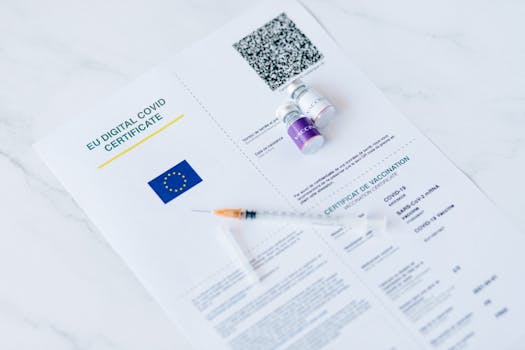
Preparation begins with your current certification card. Locate the expiry date and work backward to plan your renewal timeline. If your workplace has specific requirements about course format or provider, confirm those details before booking. Some employers accept online recertification, while others prefer in-person or blended formats for their nursing staff.
Since recertification courses include an assessment for admission, arriving with current knowledge is important. Reviewing ACLS algorithms and practising rhythm interpretation before the course can make the day less stressful and help you get more value from the hands-on portion. Booking early is also advisable, as one-day renewal courses can fill quickly, especially for nurses coordinating renewal with BLS or other mandatory training.
Choosing a Recognized Training Provider
In Canada, ACLS courses are offered by a range of recognized institutions. The Heart & Stroke Foundation is among the most prominent providers of ACLS, BLS, and related resuscitation programming across the country. Hospitals and academic centres also offer their own courses, sometimes in classroom, live virtual, or blended formats, depending on the institution.
When comparing providers, nurses should consider the course format, location, cost, and whether the credential will be accepted by their employer. The Heart & Stroke Foundation notes that its programs follow current guidelines, and its website references 2025 Guidelines, so renewal courses reflect the most recent resuscitation science. Choosing a provider whose courses align with these guidelines helps ensure your recertification is current and credible.
Keeping Your Skills Current Between Renewals
Even with a two-year certification cycle, resuscitation skills are best maintained through regular practice. Nurses who work in critical care or emergency settings may use these skills frequently, but others may go long stretches without participating in an actual code. Reviewing algorithms, practising team communication, and taking part in in-unit mock codes can bridge the gap between formal renewal courses.
When your certification does approach expiry, avoid waiting until the last minute. A one-day recertification course may not always be available on short notice, and an assessment for admission means you should not walk in unprepared. Treating ACLS renewal as a scheduled professional obligation, much like any other licence requirement, keeps the process smooth and stress-free.
Frequently Asked Questions
How often do I need to recertify my ACLS in Canada?
ACLS certification in Canada is valid for two years. At the end of that period, nurses must complete a recertification course to maintain their credential. Recertification can typically be completed in one day, and both Provider and Recertification course options are available depending on your current certification status.
Can I complete my ACLS recertification online?
Yes, online ACLS recertification is available and typically takes 2 to 5 hours to complete. These courses are widely accepted across Canadian provinces, and some providers offer acceptance documentation to verify with employers. You should confirm with your employer or regulatory body that an online format meets your specific workplace requirements before registering.
What is the difference between ACLS Provider and ACLS Renewal courses?
The ACLS Provider course is the initial certification course for people learning the material for the first time. The ACLS Provider Renewal course is designed for experienced healthcare providers who already hold the credential. Renewal focuses on testing and strengthening core ACLS concepts through simulated, cardiac-related emergency scenarios rather than re-teaching content from scratch.
Is there a combined ACLS and BLS renewal option?
Some training institutions offer a combined ACLS recertification and BLS renewal workshop. One example is a 9-hour workshop that covers both credentials in a single session, with domestic tuition fees of $339 CAD. This option can save time for nurses who need to renew both certifications around the same date.
Maintaining a current ACLS credential is one of the most reliable ways for Canadian nurses to stay prepared for cardiac emergencies. The 2026 renewal process offers enough flexibility to fit nearly any schedule, whether you prefer a focused one-day classroom course, a blended mix of online and hands-on learning, or a fully online recertification. Start by checking your expiry date, confirm which format your employer accepts, and book your renewal early so you can complete the process with confidence and keep your attention where it belongs: on patient care.