Transportation of Dangerous Goods (TDG): The Ultimate Canadian Safety Guide
If your work involves handling, shipping, or transporting hazardous materials, understanding the Transportation of Dangerous Goods (TDG) Act is not just a legal requirement—it is a critical component of public safety. 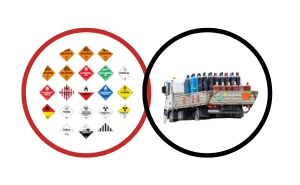
Here is a quick breakdown of what you need to know about the regulations, your responsibilities, and how to stay compliant.
What is the TDG Act?
The primary purpose of the TDG Act and Regulations is to promote public safety. It applies whenever dangerous goods are imported, offered for transport, handled, or transported by road, rail, air, or water (marine).
Transport Canada oversees these policies to ensure a safe, secure, efficient, and environmentally responsible transportation system. This is part of the broader Canada Transportation Act, which creates the framework for regulating the sector—including specific provisions like Section 98, which regulates the construction of railway lines to ensure safety infrastructure is approved by the Agency.
Your Key Responsibilities
When transporting dangerous goods, strict regulations apply to ensure safety. You must:
Classify the goods: Ensure dangerous goods are correctly classified and authorized for transport.
Documentation: Provide the carrier with the correct transport documents and relevant info.
Packaging & Labeling: Use approved packaging and ensure all goods are correctly labeled and marked.
Training: Ensure all staff members are appropriately trained and hold valid certificates.
Does WHMIS Apply to TDG?
A common point of confusion is the difference between WHMIS and TDG.
WHMIS focuses on workplace safety when hazardous materials are being used onsite.
TDG applies specifically during the transportation of those goods.
How Long is a TDG Certificate Valid?
TDG certification is not permanent; it must be renewed to ensure you are up to date with current regulations.
Air Transport: Certificate is valid for 24 months after the issue date.
Road, Rail, and Marine: Certificate is valid for 36 months from the issue date.
Get Certified Fast & Easy
Ensure you and your team are fully compliant and safe. You can obtain your certification quickly through our comprehensive online course designed for Canadian regulations.
Click here to view the Transportation of Dangerous Goods (TDG) Course
If your work involves handling, shipping, or transporting hazardous materials, understanding the Transportation of Dangerous Goods (TDG) Act is not just a legal requirement—it is a critical component of public safety.
Here is a quick breakdown of what you need to know about the regulations, your responsibilities, and how to stay compliant.
What is the TDG Act?
The primary purpose of the TDG Act and Regulations is to promote public safety. It applies whenever dangerous goods are imported, offered for transport, handled, or transported by road, rail, air, or water (marine).
Transport Canada oversees these policies to ensure a safe, secure, efficient, and environmentally responsible transportation system. This is part of the broader Canada Transportation Act, which creates the framework for regulating the sector—including specific provisions like Section 98, which regulates the construction of railway lines to ensure safety infrastructure is approved by the Agency.
Your Key Responsibilities
When transporting dangerous goods, strict regulations apply to ensure safety. You must:
Classify the goods: Ensure dangerous goods are correctly classified and authorized for transport.
Documentation: Provide the carrier with the correct transport documents and relevant info.
Packaging & Labeling: Use approved packaging and ensure all goods are correctly labeled and marked.
Training: Ensure all staff members are appropriately trained and hold valid certificates.
Does WHMIS Apply to TDG?
A common point of confusion is the difference between WHMIS and TDG.
WHMIS focuses on workplace safety when hazardous materials are being used onsite.
TDG applies specifically during the transportation of those goods.
How Long is a TDG Certificate Valid?
TDG certification is not permanent; it must be renewed to ensure you are up to date with current regulations.
Air Transport: Certificate is valid for 24 months after the issue date.
Road, Rail, and Marine: Certificate is valid for 36 months from the issue date.
Get Certified Fast & Easy
Ensure you and your team are fully compliant and safe. You can obtain your certification quickly through our comprehensive online course designed for Canadian regulations.
Click here to view the Transportation of Dangerous Goods (TDG) Course